Effective training: EMS devices for at home
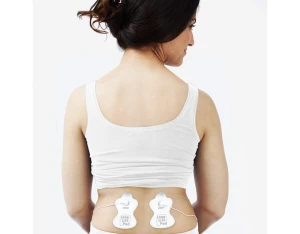
In a few weeks to the dream body? EMS devices for at home are the right solution, because you can intensify your own training and improve your body awareness with light electric shocks. An EMS training device allows easy handling and quick results.
Building muscles, losing weight or improving your condition are not goals that you can achieve in a few days. Extensive and varied training will help you improve your body and tone your muscles. In order to improve the training results, EMS devices are recommended for use at home.
In addition to normal training, you use an electrostimulation device to further stimulate your body. You can find out everything there is to know about EMS devices for use at home with us.
What is an EMS device?
One of the most important questions is what an EMS device is. We are talking about so-called transcutaneous electrical nerve stimulation, which is abbreviated as TENS. It is therefore an electromedical stimulation current therapy, which is often used to treat pain.
The EMS devices for at home can also improve your own training. In this respect, the muscles are additionally treated with small electrical current surges during training.
What are EMS devices good for?
In physiotherapy, EMS training has been used for many years to specifically build muscles, for example after an injury with muscle atrophy. A TENS EMS device is also popular in competitive sports.
During use, you determine how strong the electronic muscle stimulation should be. In addition, you can customize most EMS devices for use at home so that they always support the respective exercises.
The function behind it explained
If you want to buy an EMS device, you naturally want to know how it works. During physical exertion, the body's nerves transmit an electrical impulse to the muscles. Then they pull together and are trained.
It's a little different with EMS training, because now the command to the muscles is not sent by the brain, but by the EMS devices. In this respect, the electrodes incorporated into the functional clothing transmit the electrical impulse to the muscles. Due to the impulse, the muscles contract and are trained.
Basically, with an EMS device, you mimic the activity of the muscles during exertion. If you use the EMS devices at home frequently and intensively, your muscles will get bigger and stronger over time.
Who are home EMS devices suitable for?
Basically, EMS training is suitable for every healthy person. But there are also some exceptions, such as certain diseases. To be on the safe side, you should contact your doctor before starting. This applies in particular to people with epilepsy, a pacemaker, implants, spasticity, skin problems and sensory disorders.
In such cases, a doctor usually advises against an EMS device. Pregnant women should also give up this training method and only resume it after the pregnancy. Otherwise, EMS training is considered harmless, especially for organ and heart muscles. Since only very low current impulses are sent, they do not reach the organs and the heart.
You don't have to worry about your muscles either, because they are used to low electrical impulses. However, there is a possible risk, because it can lead to overexertion, dizziness, nausea or increased creatine kinase levels. The reason is that the training is now much more intense. Drink enough, protect yourself from this risk.
What do EMS devices do for the home?
More and more gyms are offering EMS training. However, there are many downsides if you choose the studio. First and foremost, the EMS training costs are very high. After all, not only is a trainer at your side, but you also receive high-quality EMS technology.
It is practical that the trainer adapts the training plan to your needs and wishes. He also knows exactly how high the respective impulses should be. For this you have to drive to the gym for every training session.
Simply taking the EMS devices home with you and training there is not possible. That's why buying EMS is the better solution, because you are much more flexible and independent.
You no longer have to stick to fixed training times, but can strap on the EMS devices for home whenever you want. You can also adjust your training independently. You decide which muscle groups are trained.
Even if you don't feel like training, you don't have to have a bad conscience. You neither miss an appointment nor have to pay a lot of money. Therefore, EMS devices for at home are the best solution for effective training.
EMS training – the right duration and intensity
In order to achieve the best possible results, you not only have to buy an EMS training device, but also deal with the duration and intensity. It is important that you do not use the EMS devices at home every day, even if you should train every day. It is best if you do the electro-myo-stimulation training once or twice a week. 20 minutes is enough.
Of course, you won't see results after the first training session. As with normal training, you need to be patient. Accordingly, a study by the Cologne Sport University showed that muscle growth increased by 14 percent after six months of EMS training. It also turned out that the weak back muscles in particular benefited from the training.
After just a few training sessions, your posture will improve and your body size will be reduced. The strength, on the other hand, increases after four to six weeks. However, please note: a lot does not always help a lot. Of course, you train your muscles harder, but overloading can occur. For this reason, you should not exceed the recommended dose of once or twice a week.
What types are there and how much do EMS devices cost?
If you look at the range of muscle stimulation devices, you will notice that there are three basic types: electronic abdominal muscle belt, EMS device and TENS device. Surely you are now asking yourself which EMS devices are suitable for use at home. We will briefly show you the differences as well as advantages and disadvantages.
Electronic abdominal muscle trainer
The electronic abdominal trainer is the simplest form, mostly looking like a belt. It has several contact electrodes, which are placed at the level of the different abdominal muscles. Depending on the manufacturer, there are individual training programs and conditions.
It is practical that the belt is usually quite cheap. It also offers good mobility, so you can do various exercises with it together.
The simple operation is also very practical, because you only have to switch on the electronic abdominal muscle trainer and adjust the intensity. But there are also disadvantages, because this model does not offer the optimal training stimuli. At the same time, you can usually only use the device for the abdominal muscles.
So if you want to train other areas of your body, you won't get any further with the electronic abdominal muscle trainer.
advantages
+ Very cheap price
+ High mobility
+ Simple operation
+ Easy application
disadvantage
- Training stimuli not ideal
- Not very versatile
- Can usually only train abdominal muscles
EMS device
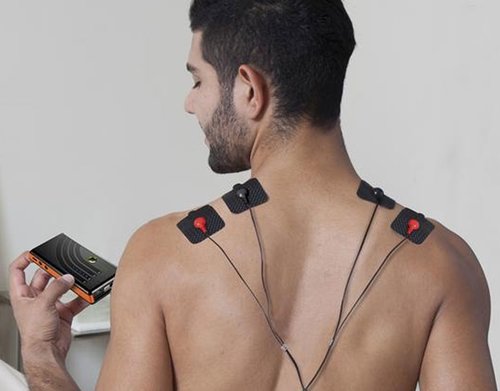
EMS devices for at home 4 electrodes on the back
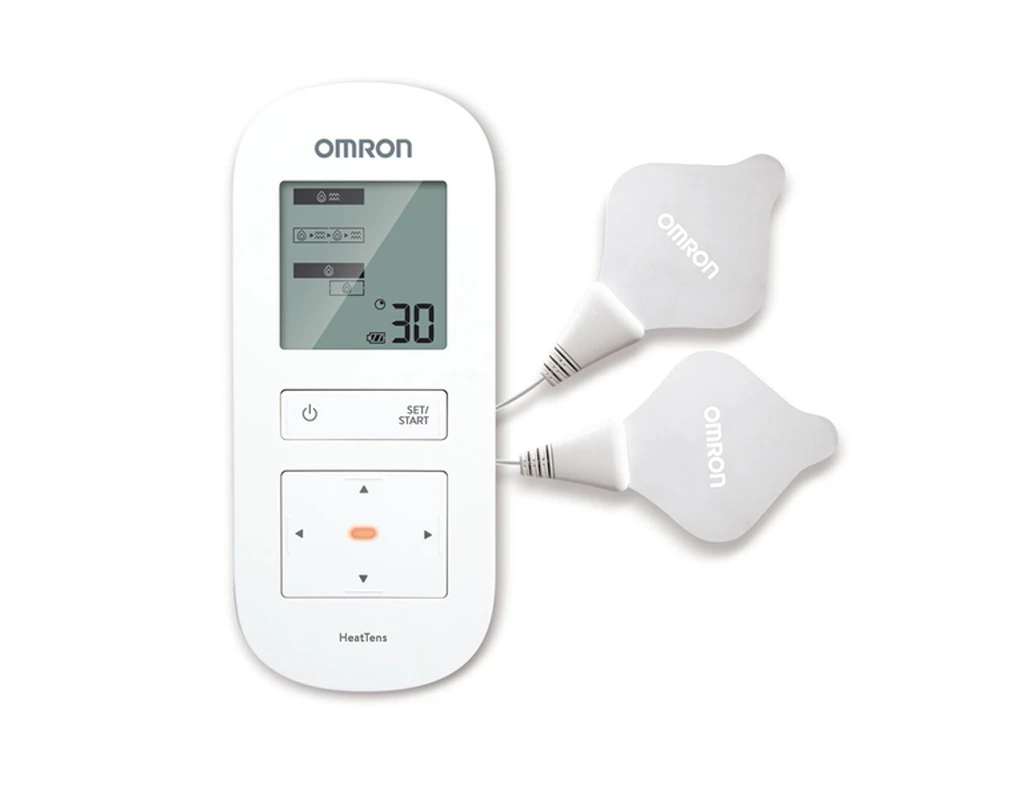
An EMS device is another type and is particularly good if you want to provide targeted muscle support. The EMS device is worthwhile if you don't want to wear an abdominal belt or something similar during training. After all, you only stick the individual electrodes directly to the skin.
So you determine which muscle groups should be stimulated. This is very practical, because it not only strengthens your abs, but also any muscle group you want. Even with EMS devices for at home, there is a simple operation. A disadvantage is the often relatively high price.
advantages
+ Targeted training
+ You decide which muscle groups you want to stimulate
+ Simple handling
+ Long service life
disadvantage
- Relatively high price. Not with us. Start with an investment from €69!
TENS device
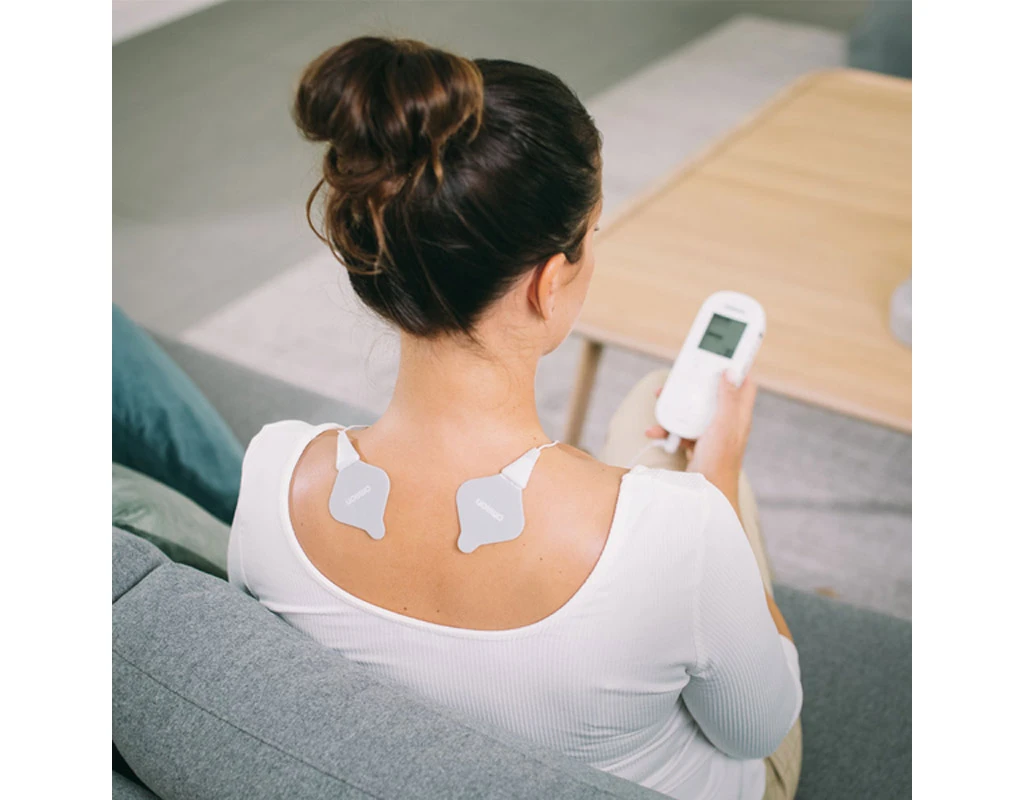
Another option is a TENS device. If your health aspects are particularly important to you, we recommend a TENS device. It is ideal for health applications, such as acute pain in the lumbar or back area.
In this respect, TENS devices are not primarily used for muscle building, but much more for pain therapy or massage.
Especially if you suffer from various complaints, a TENS device can give you relief. The operation is at least as easy as with the EMS devices, whereby there is a wide range of uses. But even with these devices, the price is often quite high.
advantages
+ Can be used for health purposes
+ Versatile use
+ Uncomplicated operation
+ Good help
disadvantage
- Less suitable for muscle building
- Relatively high price. Not with us. Start with an investment from €69!
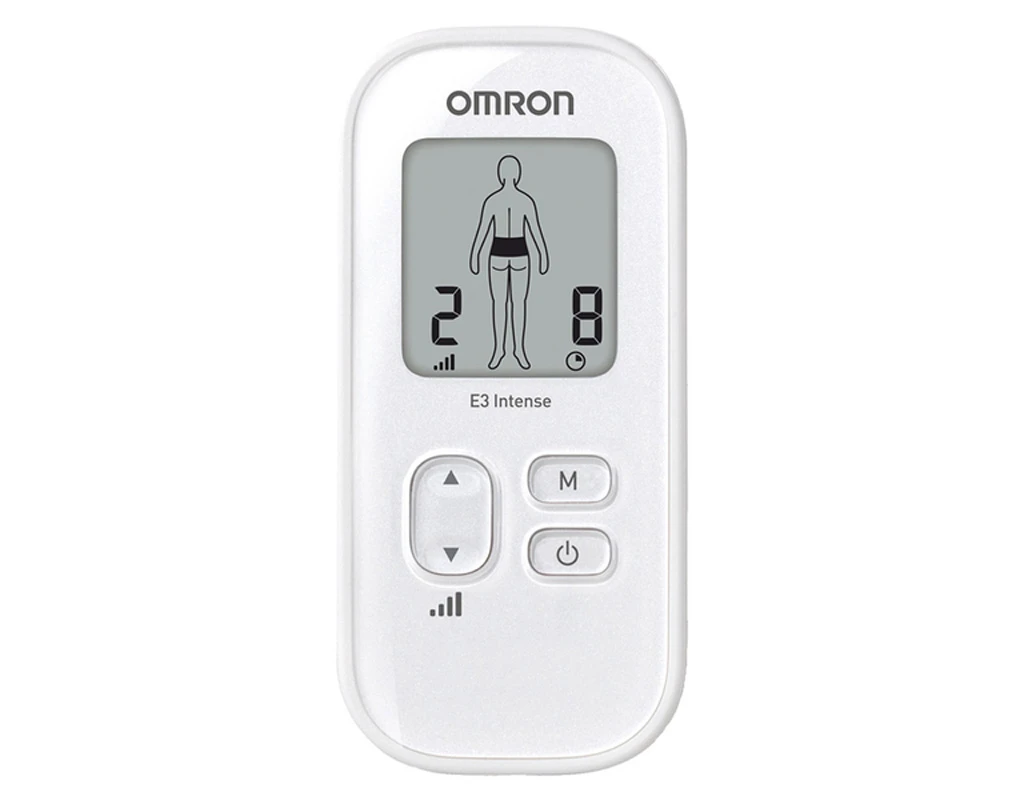
TENS/EMS device
Would you like a combination of muscle building, pain therapy and massage? In this case you are at the right address with a TENS EMS device. It is a combination of an EMS and TENS device.
This means you get different programs that contain both EMS and TENS. This allows you to decide whether you want to train your muscles or prefer to work on pain therapy. TENS/EMS devices are worthwhile if you want to use the whole world of electronic stimulation. Of course, you should be aware that such combination devices are significantly more expensive.
advantages
+ Connection of EMS and TENS
+ Muscle stimulation
+ Treatment of pain
+ Use as a massage
+ Easy handling
disadvantage
- Relatively high price. Not with us. Start with an investment from €69!
What is important when buying?
EMS devices for the home are an excellent purchase and offer you many advantages. With so many new products coming onto the market over the past few years, you're not sure what to look out for. This does not mean that there are also bad offers.
Much more depends on what you expect and hope for from your device. In this respect, device A could be excellent for person A, while person B is more happy with device B. That's why we show you the most important aspects when buying an EMS device.
Furnishing
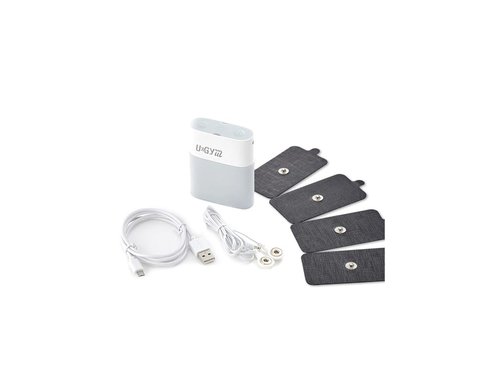
The equipment must not be neglected. An LC display is advantageous, because you can use it not only to set the desired intensity levels, but also to set training times. An automatic switch-off as with our U-GYMs is also practical, so that the EMS devices for home switch off automatically after a certain time.
An extra pocket, on the other hand, provides more flexibility. Especially if you use the EMS devices for home not only in the living room at home.
Training in the open air is twice as much fun and you can store small items in the bag, such as a bunch of keys.
Functions and programs
A particularly important purchase criterion are the programs and functions of the device. Which functions are important depends on your needs. Today's models can offer EMS, TENS, massage and a combination of these functions. Therefore, consider beforehand which functions you attach particular importance to and decide accordingly. Diverse training programs are very practical.
Pulse duration
The pulse duration is crucial for training control. If you want to train small muscles, a duration of 50 to 100 µS is sufficient. For larger muscles, however, you should choose 200 to 300 µS. For regular training, we recommend 300 µS and up.
This means that if you want to be as flexible as possible with the device, make sure you choose a wide range of pulse durations. So you can always customize the device.
Frequency
The frequency should not be forgotten, because this determines the effectiveness of the electrostimulation. A distinction is made between two areas: Type I for endurance and Type II for speed. Impulses in the range of 2 to 15 Hertz address the slow-reacting muscle fibers.
If you use 35 to 100 Hertz, on the other hand, the fast-reacting muscle fibers are stimulated. For effective muscle training, there should be at least 35 Hertz.
Power supply
Another point is the power supply. Most manufacturers use battery power. After all, this is particularly easy and if necessary you only have to replace the batteries. How many batteries are used differs depending on the device. The most popular are AAA or 1.5V batteries.
When buying, make sure that the batteries are included in the scope of delivery. Some offers also work with a battery, which saves you a lot of money in the long run. U-Gym only uses rechargeable batteries that can be charged with Micro-USB and a conventional smartphone power supply.
The conclusion
If you have the desire for muscles as hard as steel and a defined body, EMS devices for at home are the right place to go. Electronic impulses stimulate the muscles so that the training is intensified.
Even if you like to be massaged, EMS devices are a good choice, especially if you can act flexibly with the help of electrodes. Secure the very favorable conditions of U-Gym and OMRON today.